Greensboro's growing season is generous, the humidity is real, and the sun can be penalizing on bare concrete. That mix can either make a veranda garden prosper or merge a crispy dissatisfaction by July. With the best containers, potting mixes, plant options, and watering routines, you can keep a compact garden efficient from March through late October without losing your weekends to plant triage. I've grown tomatoes 3 stories up off Spring Garden Street, coaxed herbs through a heat dome, and found out precisely just how much weight a house railing can handle before it grumbles. Consider this your guidebook to turning a small outside space into a dependable, attractive garden in Greensboro's climate.
What Greensboro's Environment Indicates for Containers
Greensboro sits in USDA Zone 7b. That provides you average winter season lows around 5 to 10 degrees Fahrenheit and a long warm season. Spring comes on fast, with last frost dates hovering in late March or early April. The heat settles in by June and keeps going into September. Humidity typically runs between 60 and 90 percent on summer days, which is not just a convenience aspect. It changes how water acts in a pot and how fast diseases spread.
On balconies and outdoor patios, heat is enhanced by reflective surface areas and trapped air. I have actually determined mid-afternoon temperature levels 10 degrees hotter on a south-facing third-floor balcony than at ground level in the shade. Metal railings store heat and radiate it into pots. Wind can desiccate plants even on damp days, especially in structures that funnel breezes along corridors. Greensboro's summer thunderstorms are frequent, however those downpours do not constantly permeate covered verandas, and short heavy rain can sheet off rapidly, leaving containers surprisingly dry.
That seems like a stacked deck. It is, unless you plan for it. Containers let you control soil, water, and exposure more specifically than in-ground beds. That control is the advantage you lean on in our climate.
Containers That Operate in Little, Sunny, Windy Places
If you're gardening above grade, stability matters as much as volume. A top-heavy pot with an energetic tomato captures wind like a sail. I've viewed more than one veranda cherry tomato topple on a gust and redistribute potting mix across a neighbor's patio. Select wider bases and much heavier materials for tall plants, and safe and secure anything attached to railings with ranked brackets.
Glazed ceramic looks terrific and moderates soil temperature, however it's heavy and cracks if waterlogged in a freeze. Plastic is light and affordable, yet it can warm up quick and break down in UV unless you buy thicker, UV-stable variations. Powder-coated steel flowerpot withstand rust, though they can bake roots on south direct exposures without a liner. Fabric grow bags perform well in Greensboro since they breathe, shed heat, and encourage fibrous root systems. The trade-off is much faster drying and potential staining on porous surface areas. If your lease punishes surface area spots, slip trays below or set grow bags in low saucers with feet.
Drainage holes aren't optional. Go for a minimum of one hole per 6 to 8 inches of pot diameter, and keep them clear. Do not include a layer of rocks at the bottom, it produces a perched water table that keeps roots soggy. If you require to lower soil volume or weight, utilize inverted nursery pots or a mesh rack 2 or 3 inches above the bottom to create an internal air space while preserving drainage.
Where weight limits are posted, ask your home manager for specifics. Numerous balconies are created for at least 40 to 60 pounds per square foot live load, but older buildings and cantilevered styles vary. A saturated 20-inch ceramic pot can weigh 100 to 150 pounds. Spread weight along structural lines and avoid clustering all heavy containers in one corner.
The Right Potting Mix for Piedmont Heat and Rain
Skip garden soil and topsoil. They compact in containers, drain badly, and bring illness spores. Utilize a high-quality potting blend with peat or coir, bark fines, and perlite or pumice. For Greensboro's humidity and regular deluges, I choose blends with a greater percentage of coarse material. A tight mix remains damp too long throughout cloudy stretches, which welcomes fungal concerns. On the other hand, complete sun on a balcony can dry pots with quick mixes by midafternoon. Dial in moisture management with the container itself, mulch, and frequency of watering rather than counting on a thick mix.
Coir-based blends manage irregular watering better than peat, rewetting more quickly if they dry. If you lean on peat, include a small amount of horticultural wetting agent or a handful of garden compost to aid with rehydration. I often add 10 to 20 percent extra perlite to off-the-shelf mixes for big, deep pots that tend to hold water. For herbs and succulents, boost drain even more. For fruiting veggies, stay with a basic ratios and handle moisture with volume and mulch.
Fertilizer in bagged potting mixes assists with early development, however it will not bring tomatoes or peppers past a couple of weeks. Either include a slow-release fertilizer at planting or prepare a liquid feeding regimen. More on that shortly.
Sun, Shade, and Your Exposure
Greensboro's latitude offers you a generous sun angle. A south-facing terrace gets the most light and heat, specifically if it has no overhang. West-facing areas get hammered from 2 pm through evening. East-facing terraces are friendlier to tender greens and herbs, while north-facing websites are practical for shade-tolerant edibles and a long list of ornamentals.
Observe your light for a few days. How many hours of direct sun hit your containers in June? Is there radiant heat from brick or metal? Do surrounding trees throw dappled shade in mid-afternoon? The answers identify plant option and watering method. I move heat-sensitive pots a foot back from the railing on west-facing verandas. That small setback reduces radiant heat significantly without meaningfully reducing early morning light.
Greensboro-Friendly Plant Choices for Containers
You can raise a gratifying mix of food and flowers in pots here. The technique is to select varieties bred for containers or with compact routines, pair them with sensible pot sizes, and series your plantings to ride the seasons.
Tomatoes do well if you select determinate or dwarf indeterminate types. I have actually had repeatable success with Patio Option Yellow, Celeb, and Dwarf Emerald Giant in 10 to 15 gallon containers. Cherry tomatoes like Sun Gold and Black Cherry are efficient, however they sprawl without pruning. Peppers enjoy the heat, and many sweet or hot varieties produce well in 5 to 7 gallon pots. Eggplants, specifically compact types like Fairy Tale, grow and rarely grumble about humidity.
Greens are your shoulder-season workhorses. Start arugula, lettuce blends, and spinach in March, however in late September for fall harvests. In summer season, Swiss chard and Malabar spinach keep going when lettuce bolts. For herbs, rosemary, thyme, oregano, chives, and sage take the heat and live several seasons in Zone 7b if safeguarded in cold snaps. Basil requires constant wetness and heat, and it carries out finest in a separate pot where you can water more often. Mint is energetic and should always be contained, which makes it a terrace ally as long as the pot drains pipes well.
On the decorative side, integrate heat-tolerant bloomers with foliage plants that don't mind humidity. Calibrachoa, lantana, angelonia, and vinca flower through the hottest months. Coleus, sweet potato vine, and dwarf ornamental yards like Pennisetum alopecuroides Little Bunny add texture and movement. Pollinator-friendly options like salvia and zinnia attract bees and butterflies even at height.
If you want shrubs and little trees, you can. Try to find dwarf blueberries like Jelly Bean or Peach Sorbet, both fine in 10 to 15 gallon pots with acidic mix. For structure, dwarf conifers or compact hollies behave well in containers and use winter interest. Simply represent weight and winter care.
Watering in Heat and Humidity
In Greensboro, summer season is not just hot. It swings from steamy to stormy to breezy and back again. Container roots are at your mercy throughout those swings. The majority of failures I see originate from unpredictable watering, either underwatering throughout a heat wave or keeping pots continuously wet on shaded patios.
The basic guideline is this: water when the top inch of mix is dry, then water thoroughly until you see constant drain. For small pots, that might be everyday in July. For 10 to 15 gallon containers mulched and shaded at the base, every two to 4 days can be enough. The best time is early morning. Plants start the day hydrated, leaves dry quickly, and you avoid adding to nighttime humidity which favors disease.
If you take a trip or forget to water, established an easy automatic system. Battery timers are reliable now, and micro-drip lines with two or three emitters per big pot keep moisture consistent. I run 0.5 gallon per hour emitters for 30 to 45 minutes on hot days, then cut down throughout cool spells. On covered terraces, be mindful of runoff. Position trays where they will not overflow onto a next-door neighbor's system, and empty dishes after storms. Roots being in water for days in our humidity invite root rot.
Mulch matters in pots. A one-inch layer of shredded pine bark, straw, or even cocoa hulls lowers surface evaporation, buffers soil temperatures, and limitations splash that spreads disease. In fabric grow bags, mulch assists enormously. I utilize pine bark fines because they don't mat, they breathe, and they fit Southern aesthetics.
Feeding Without Fuss
Containers are closed systems, which suggests nutrients seep out with each watering. Plants grow quickly in the heat, and they burn through readily available nitrogen and potassium. 2 workable feeding routines fit most balcony gardeners.
First, integrate a slow-release granular fertilizer at planting based on the label rate, then supplement with a well balanced liquid feed every 2 to 3 weeks for heavy feeders like tomatoes and peppers. If you choose organic inputs, a preliminary charge of a balanced natural granular plus a fish and seaweed liquid two times a month keeps development constant. The second method is a light, weekly liquid feeding at half strength. Plants react with even development and less peaks and valleys.
Watch for signals. Pale brand-new development and sluggish vigor frequently indicate nitrogen deficiency. Bloom end rot on tomatoes is generally a calcium uptake problem connected to irregular moisture, not necessarily absence of calcium in the mix. Fix the watering first. If you need a calcium boost, foliar sprays and calcium nitrate can assist, however they will not get rid of a constantly dry-wet cycle.
Managing Heat, Wind, and Summer Storms
On the hottest days, root zones are the limiting factor. Containers on a west-facing concrete slab can strike root-sterilizing temperature levels by midafternoon. I have actually had pepper roots stall at 105 degrees soil temperature. Remedies are basic and reliable. Elevate pots on feet to let air move below. Use light-colored containers or cover dark pots with a reflective sleeve. Pull pots six to twelve inches from sun-baked walls. For extreme stretches, curtain a shade fabric panel across the rail throughout the worst 2 hours. Even 30 percent shade can drop leaf temperature enough to keep growth going.
Wind cuts two ways. A stable breeze reduces fungal pressure and cools leaves, but gusts snap stems and desiccate pots. Stake high plants with bamboo and soft ties, and utilize a ring cage for tomatoes and eggplants. Protected railing planters with appropriate brackets, not wire or twine. If your balcony channels wind, position the highest containers as a windbreak for smaller sized, thirstier pots tucked simply downwind.
Thunderstorms show up quick and strike hard. Move fragile or top-heavy pots off parapet edges when a line of storms is anticipated. Check drain holes after downpours because silt can clog them. On covered balconies, keep in mind that a two-inch rain might leave your pots completely dry. The noise of rain does not imply your plants got any water. Stick a finger in the soil before you avoid a watering.
Pests and Illness in a Damp City
Greensboro's humidity feeds fungal diseases like grainy mildew on cucurbits and leaf area on basil. Airflow and spacing are your very first line. Do not pack every inch with foliage. Water at the base, not over the leaves. Prune lower tomato delegates reduce splash and boost air flow under the canopy. If powdery mildew appears, remove contaminated leaves and change to a mild fungicide rotation, such as potassium bicarbonate one week and a biofungicide like Bacillus-based items the next. Sprays are more efficient as preventives than cures, so start when you see the very first signs.
Aphids, spider mites, and whiteflies find balcony gardens quickly. Regularly flip leaves and examine stems. The most basic controls are the least disruptive: a strong stream of water to knock insects off, followed by insecticidal soap if populations continue. Spider termites flare in hot, dry microclimates. Boost humidity around plants by grouping pots and misting undersides in the morning, then use a horticultural oil at labeled rates. Be careful with oils in high heat, apply at night to avoid leaf burn.
Tomato hornworms can appear even on fourth-floor terraces, most likely hitchhiking as eggs. If you see one, hand-pick it. If it brings white rice-like cocoons, leave it, those https://edwinpkow539.wpsuo.com/shade-garden-concepts-perfect-for-greensboro-nc are advantageous wasp larvae that will manage future hornworms.
Slugs and snails are less typical above ground, however they discover their way onto first-floor outdoor patios. Copper tape around pot rims works, and beer traps still have their fans. Keep mulch neat and prevent producing slug hostels in saucers.

Succession Planting for a Long Season
The Greensboro season rewards rotation. Start cool-season crops like peas, radishes, and lettuces in March. By late April, as nights stabilize above 50 degrees, transplant tomatoes, peppers, eggplants, and flowers. When lettuce starts to bolt in late May, pull it and plug in basil or dwarf zinnias. In July, start seeds for a late-summer crop of bush beans in containers. When peppers start to slow in September, sow a last round of arugula and spinach in their shade.
For a single 6 by 10 foot balcony, you can run two large 15 gallon pots with tomatoes or eggplants, three 7 gallon pots with peppers and chard, a set of herb planters, and a couple of 10 inch containers for seasonal flowers. That setup offers you fresh veggies most weeks without turning the space into a jungle you can't sit in.
Winter: Not completion, Just Quieter
Zone 7b winters are mild adequate to overwinter lots of perennials in containers with minimal fuss. The danger is freeze-thaw cycles that heave roots and fracture pots. Move containers versus the structure wall for heat, group them to minimize exposure, and mulch the surface. Water gently during droughts. Evergreens in pots need a sip once or twice a month if it doesn't rain. If a strong arctic blast is forecast, cover pots with burlap or an old blanket for a couple of nights.
Annuals and tender herbs will fade after a difficult freeze. Before that, take cuttings of basil or coleus to root indoors. Harvest green tomatoes and ripen them inside in a paper bag with an apple, or make an appetizing relish that tastes like summertime when the sky is gray.
If you're using fabric grow bags, empty them in late fall, keep the mix under a tarpaulin or in a covered bin, and wash and dry the bags. You can recycle potting mix for a number of seasons if you revitalize it with brand-new product and compost, but avoid planting tomatoes in the same mix year after year to restrict illness carryover. Turn families similar to you would in a ground garden.
Layout and Looks on a Small Stage
A veranda or outdoor patio is a space. Treat it like one. Start at eye level. If your sitting area faces outside, put the tallest containers along the rail so you can look into the foliage rather than at the behind of pots. If your space deals with inward, construct a green wall versus the structure side with racks or ladder racks to raise smaller pots into light. Use the corners for weighty anchors like dwarf shrubs or a blueberry pair.
Greensboro's light can be severe at midday, however the evening sun is beautiful. Lean into that with foliage that glows. Lime green sweet potato vines, silver dusty miller, and variegated sages catch the low light and make a modest area feel layered. Mix textures rather of stuffing every pot with flowers. A pot of rosemary beside a pot of zinnias feels better than three conflicting color bombs.
Keep paths clear. Nothing sours a balcony quicker than squeezing past damp leaves to reach a chair. If you only have space for either a sitting area or a third tomato, select the chair. You'll delight in the garden more and tend it better.
Water and Mess Management in Multi-Unit Buildings
Apartment supervisors in Greensboro are usually friendly toward plants, but they get prickly about leaks. Usage deep saucers with furniture sliders beneath to move heavy pots for cleaning. Think about capillary mats under herb trays to record overflow. If your veranda is decked with wood, place small rubber feet under dishes so the deck can dry and prevent rot.
Don't dump soil over the side or wash it through the slats. Keep a devoted brush and dustpan exterior. After a storm or a pruning session, sweep and collect. Neighbors notice tidiness more than plant option. Good relationships matter, and they become part of how metropolitan landscaping greensboro nc keeps a favorable reputation with home managers.
A Simple Month-by-Month Rhythm
- Late February to March: Tidy containers, refresh potting mix, begin cool-season seeds, prune perennials. Check brackets and ties before spring winds. April to May: Plant warm-season vegetables after frost danger drops. Set up drip lines. Mulch containers. Apply slow-release fertilizer. June to August: Water consistently, feed upon schedule, prune for air flow, succession plant heat fans. Release shade fabric in heat waves. September to October: Sow fall greens, minimize feeding as development slows, harvest late peppers and tomatoes. Start transitioning tender plants. November to January: Group pots for protection, water gently during dry spells, strategy next season's design and ranges.
This is the only list that details cadence. Everything else resides in the daily routines that keep a balcony garden humming: a morning walk with a cup of coffee, a finger in the soil, a quick snip of spent flowers, and a glimpse for bugs. These small checks add up to less problems and more color.
Where Resident Understanding Pays Off
Greensboro's water is reasonably soft compared to some towns, which means less salt issues in containers however also less calcium in option. If you see persistent bloom end rot regardless of great watering, choose tomato varieties with better resistance and think about mixing a small amount of plaster into the potting mix at planting. Our thunderstorms frequently carry windblown grit that obstructs drain holes. After a huge blow, lift saucers and look for silt.
If you buy plants from local nurseries, you get stock solidified to the Piedmont's spring swings. National chains ship plants grown under regulated conditions in other states. They'll live, however you might see transplant shock if a cold snap follows a warm spell. Stagger your purchases, and do not feel rushed by that first warm weekend in March. Greensboro can flash-freeze once again before the Dogwoods bloom.
Finally, if you desire aid creating a mixed edible and decorative terrace with containers proportioned to your space, aim to regional pros. Firms concentrated on landscaping in this area understand our sun angles, wind passages, and HOA quirks. Many offer small-space assessments that spend for themselves in conserved experimentation. If you search for landscaping Greensboro NC, try to find portfolios that include patios and city verandas, not simply yards and big beds.
A Veranda That Functions, Season After Season
Container gardening on a Greensboro terrace rewards consistency more than heroics. Right-size your pots, select varieties that act in restricted quarters, water deeply and naturally, and offer roots air and drainage. Secure plants from the worst heat, welcome air flow, and eat a schedule that matches our long warm season. Tuck in flowers among the salads, and let herbs do double task as both kitchen area staples and style elements.
I keep a little note pad for each season with an easy record: what I planted, where I positioned it, how it carried out because microclimate, and what I 'd alter. Over a couple of years, patterns emerge. The pepper that sulked on the west rail thrives two feet back. The basil that burned beside the bricks looks happy under the tomato's dapple. The blueberry prefers the corner with morning sun. Those notes turn a generic veranda into a tuned garden, one developed for the method Greensboro actually feels in July and the method it softens in October.
When you look out on your patio and see fruit ripening, bees skimming flowers, and leaves that lift after a summer storm, you recognize the work is light compared to the return. A few containers, tended well, can provide you salads, sauces, bouquets, and a location to breathe in a city that grows more leaves every year.
Business Name: Ramirez Landscaping & Lighting LLC
Address: Greensboro, NC
Phone: (336) 900-2727
Email: [email protected]
Hours:
Sunday: Closed
Monday: 8:00 AM–5:00 PM
Tuesday: 8:00 AM–5:00 PM
Wednesday: 8:00 AM–5:00 PM
Thursday: 8:00 AM–5:00 PM
Friday: 8:00 AM–5:00 PM
Saturday: 8:00 AM–5:00 PM
Google Maps: https://www.google.com/maps/search/?api=1&query=Google&query_place_id=ChIJ1weFau0bU4gRWAp8MF_OMCQ
Map Embed (iframe):
Social Profiles:
Facebook
Instagram
Major Listings:
Localo Profile
BBB
Angi
HomeAdvisor
BuildZoom
Ramirez Landscaping & Lighting is a Greensboro, North Carolina landscaping company providing design, installation, and ongoing property care for homes and businesses across the Triad.
Ramirez Landscaping & Lighting offers hardscapes like patios, walkways, retaining walls, and outdoor kitchens to create usable outdoor living space in Greensboro NC and nearby communities.
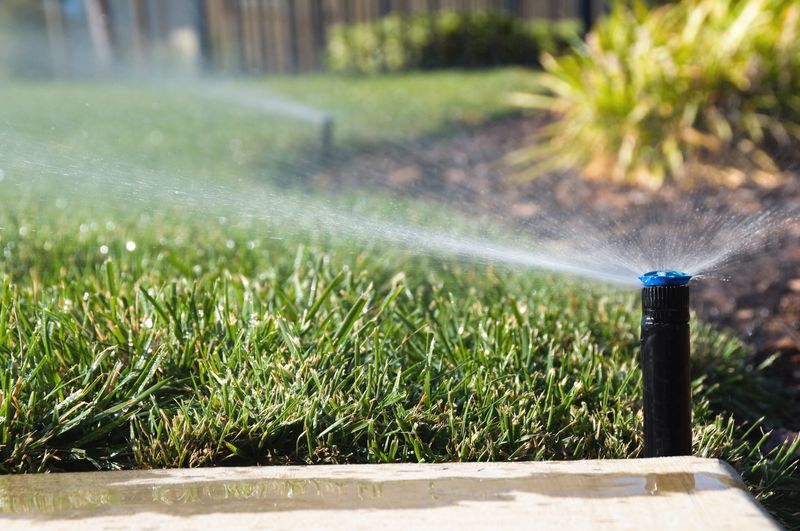
Ramirez Landscaping & Lighting provides irrigation services including sprinkler installation, repairs, and maintenance to support healthier landscapes and improved water efficiency.
Ramirez Landscaping & Lighting specializes in landscape lighting installation and design to improve curb appeal, safety, and nighttime visibility around your property.
Ramirez Landscaping & Lighting serves Greensboro, Oak Ridge, High Point, Brown Summit, Winston Salem, Stokesdale, Summerfield, Jamestown, and Burlington for landscaping projects of many sizes.
Ramirez Landscaping & Lighting can be reached at (336) 900-2727 for estimates and scheduling, and additional details are available via Google Maps.
Ramirez Landscaping & Lighting supports clients with seasonal services like yard cleanups, mulch, sod installation, lawn care, drainage solutions, and artificial turf to keep landscapes looking their best year-round.
Ramirez Landscaping & Lighting is based at 2700 Wildwood Dr, Greensboro, NC 27407-3648 and can be contacted at [email protected] for quotes and questions.
Popular Questions About Ramirez Landscaping & Lighting
What services does Ramirez Landscaping & Lighting provide in Greensboro?
Ramirez Landscaping & Lighting provides landscaping design, installation, and maintenance, plus hardscapes, irrigation services, and landscape lighting for residential and commercial properties in the Greensboro area.
Do you offer free estimates for landscaping projects?
Ramirez Landscaping & Lighting notes that free, no-obligation estimates are available, typically starting with an on-site visit to understand goals, measurements, and scope.
Which Triad areas do you serve besides Greensboro?
Ramirez Landscaping & Lighting serves Greensboro and surrounding Triad communities such as Oak Ridge, High Point, Brown Summit, Winston Salem, Stokesdale, Summerfield, Jamestown, and Burlington.
Can you help with drainage and grading problems in local clay soil?
Yes. Ramirez Landscaping & Lighting highlights solutions that may address common Greensboro-area issues like drainage, compacted soil, and erosion, often pairing grading with landscape and hardscape planning.
Do you install patios, walkways, retaining walls, and other hardscapes?
Ramirez Landscaping & Lighting offers hardscape services that commonly include patios, walkways, retaining walls, steps, and other outdoor living features based on the property’s layout and goals.
Do you handle irrigation installation and repairs?
Ramirez Landscaping & Lighting offers irrigation services that may include sprinkler or drip systems, repairs, and maintenance to help keep landscapes healthier and reduce waste.
What are your business hours?
Ramirez Landscaping & Lighting lists hours as Monday through Saturday from 8:00 AM to 5:00 PM, and closed on Sunday. For holiday or weather-related changes, it’s best to call first.
How do I contact Ramirez Landscaping & Lighting for a quote?
Call (336) 900-2727 or email [email protected]. Website: https://www.ramirezlandl.com/.
Social: Facebook and Instagram.
Ramirez Lighting & Landscaping is proud to serve the Greensboro, NC region with professional hardscaping solutions for homes and businesses.
Searching for outdoor services in Greensboro, NC, contact Ramirez Landscaping & Lighting near Tanger Family Bicentennial Garden.